what is a functioning rain garden
Rain gardens and retention basins have few downsides so long as theyre properly designed and constructed. Size Rain gardens are typically 5 to 10 per-cent the size of the impervious surface.
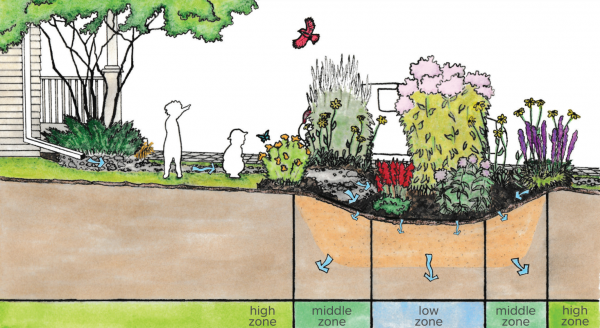
Rain Gardens Lid Swm Planning And Design Guide
Mosquitoes love standing water but a functioning rain garden should not hold water long enough for these pests to settle in.

. Rain gardens not only beautify an area they bring larger benefits to the environment both locally and beyond. They consist of sunken garden spaces where runoff can pond and infiltrate into deep constructed soils and then into the native soils below. Rain Gardens are Functional and Beautiful A Rain Garden is a landscape depression that can be filled with moisture-loving plants.
These gardens are strategically placed to intercept pollutant laden stormwater runoff until it can be fully absorbed into the ground. Essentially a rain garden is a small shallow basin in your yard where runoff water pools and slowly soaks into the ground. Hidden beneath the pretty plants is a natural storm water treatment system that allows 30 more water to infiltrate into the ground.
Just like any other garden your rain garden will need some basic maintenance to keep it healthy and functioning. Rain gardens are not only beautiful and creative they are also functional. Rain gardens are an easy and effective tool that we can use to help reduce stormwater runoff from residential properties.
A rain garden is a garden of native shrubs perennials and flowers planted in a small depression which is generally formed on a natural slope. By including water quality systems a rain garden becomes a true functional piece of green infrastructure that ties into a propertys stormwater system. Rain gardens have become a tool that homeowners developers restoration workers and others have used to mitigate flooding in areas with high amounts of winter precipitation and large swathes of impervious surfaces.
The overflow can be directed toward. A rain garden should be positioned near a runoff source like a downspout driveway or sump pump to capture rainwater runoff and stop the water from reaching the sewer system. It is best to keep rain gardens away from building foundations utilities and septic systems.
Rain gardens must be located to inter-cept runoff from impervious areas. Rain gardens are shallow constructed depressions that are planted with deep-rooted native plants and grasses. By planting a rain garden you can help maintain the natural water cycle while protecting local rivers lakes fish and drinking water sources.
They are strategically located to capture runoff from hard surfaces such as a driveway parking area sidewalk or streets. New rain gardens will need supplemental watering. A rain garden is a functional landscaped area constructed to capture and hold stormwater so that it infil-trates into the soil rather than becoming surface runoff.
Meant to be attractive as well as functional plants are sown into the soil of the basin to help with filtering the water that is collected. Limit the amount of water that enters the local storm drain system. Its an environmentally-friendly way to catch stormwater that runs off roofs driveways and other surfaces.
Use a flat-sided can such as a tuna can to measure depth of rainfall. T h e y can be placed anywhere good soils with adequate percolation rates exist. If your rain garden is not functioning properly you may have issues with drainage.
Rain Gardens are landscape features designed to treat stormwater runoff from hard surface areas such as roofs roads and parking lots. Rain gardens perform the following functions. A rain garden is a collection of native shrubs and perennial plants planted in a small depression or low lying area of the yard designed to hold and soak in.
For example at Klausing Groups Lexington headquarters our rain garden is constructed with a settling area with a natural and constructed filtration system that captures sediments. How to Use This Guide. A rain garden in temperate climates will unlikely dry out completely but gardens in dry climates will need to sustain low soil moisture levels during periods of drought.
During their first 3 growing seasons after installation rain gardens must receive 1 of water per week including rainfall. Un-mulched surfaces may develop into a hardpan which impedes water infiltration. A rain garden is a shallow planted depression designed to hold water until it soaks into the soil.
Also known as bioretention cells they are designed to mimic the natural ways water flows over and absorbs into land to reduce stormwater pollution. On the other hand rain gardens are unlikely to suffer from intense waterlogging since the function of a rain garden is that excess water is drained from the site. Rain gardens are effective in removing up to 90 of nutrients and chemicals and up to 80 of sediments from the.
When you create a rain garden which is a shallow planted depression it collects water that slowly soaks into the soil. Rain gardens are small shallow sunken areas of plantings that collect stormwater runoff from roofs streets and sidewalks. Mulch annually to suppress weeds and to keep soils moist which allows for easy infiltration of stormwater.
What is a Rain Garden. A rain garden filled with wildflowers and native plants adds more than beauty to your home. A rain garden can be beautiful as well as functional.
In the case of larger storms rain gardens are designed to overflow through a simple dip in the berm on the downstream side of the garden which can be reinforced with river rock to ensure stability of berm. It is designed to temporarily hold and soak in rain water runoff that flows from roofs driveways patios or lawns. Maintaining the rain garden.
While a rain garden has an area where water collects its not a pond. What is a Rain Garden. Filter stormwater runoff before it enters local waterways alleviates problems associated with flooding and drainage recharges the ground water supply provides habitat and food for wildlife including birds and butterflies and enhances the beauty of yards and the community.
A key feature of eco-friendly landscape design rain gardensalso known as bio-infiltration basinsare gaining credibility and converts as an important. A rain garden is a personal contribution to clean water in your community To reduce stormwater runoff from your property look at your property and identify where the water goes. Rain gardens fill with a few inches of water after a storm and then water filters.
Rain gardens are designed to capture one-inch of rainfall and infiltrate the water within three days. DISADVANTAGES OF RAIN GARDENS. Water new trees and shrubs weekly until soil to depth of roots is moist.
Instead of a concrete jungle water tolerators are thriving in the moist zones like the species listed above.

Rain Gardens What Is The Purpose Of A Rain Garden
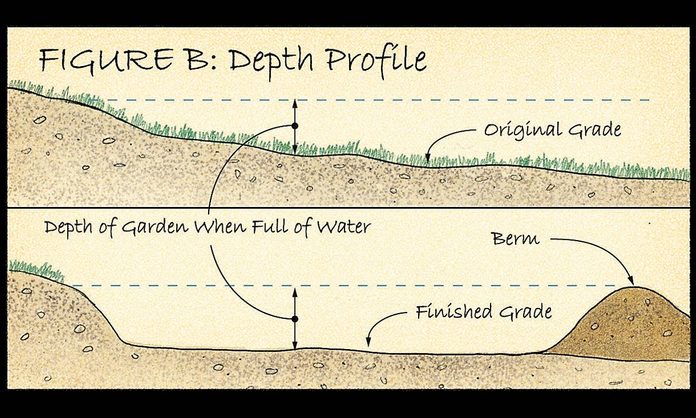
How To Build A Rain Garden In Your Yard Diy
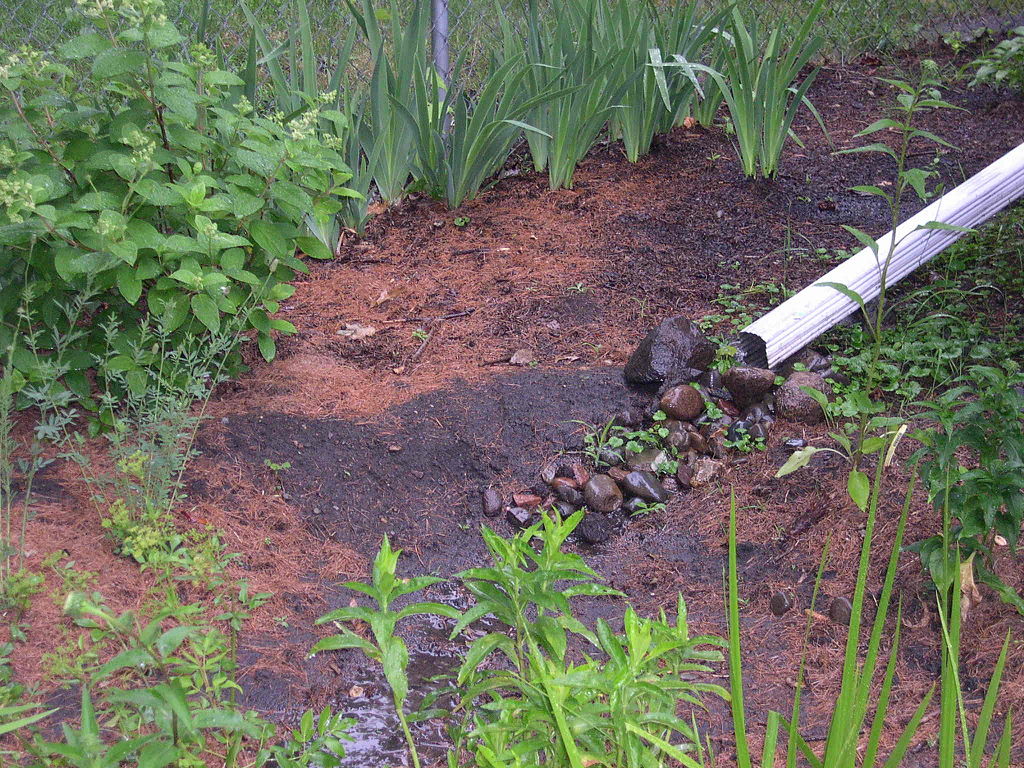
How To Build A Rain Garden 6 Steps Lawnstarter
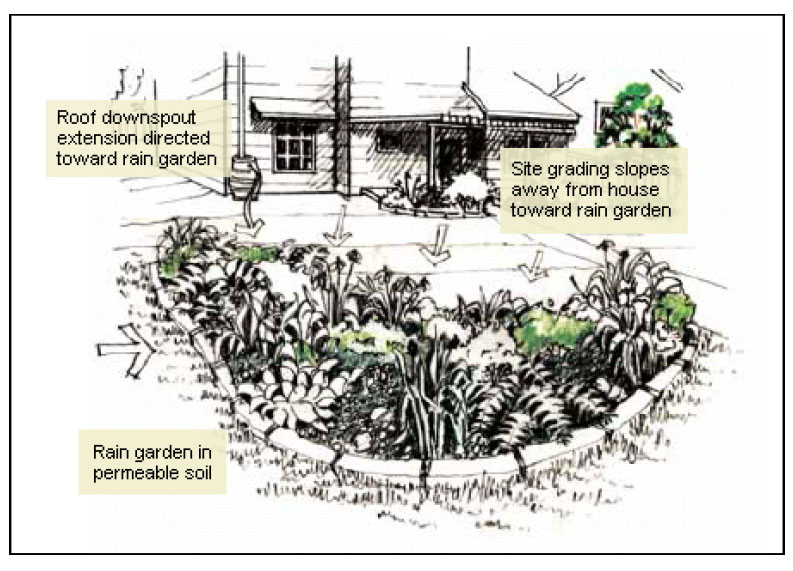
Landscape Rain Gardens A Way To Improve Water Quality Center For Agriculture Food And The Environment At Umass Amherst

Rain Garden Healdsburg Shed Rain Garden Landscape Construction Rainwater Harvesting
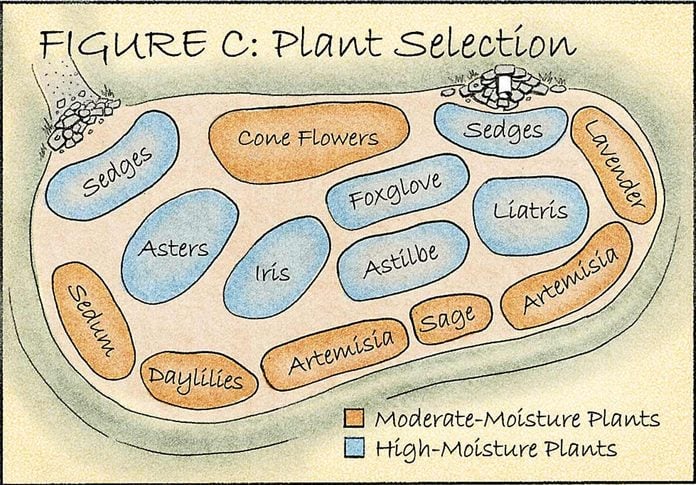
How To Build A Rain Garden In Your Yard Diy
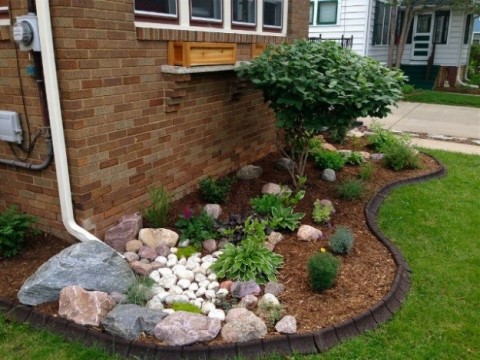
What In The World Is A Rain Garden Easyblog
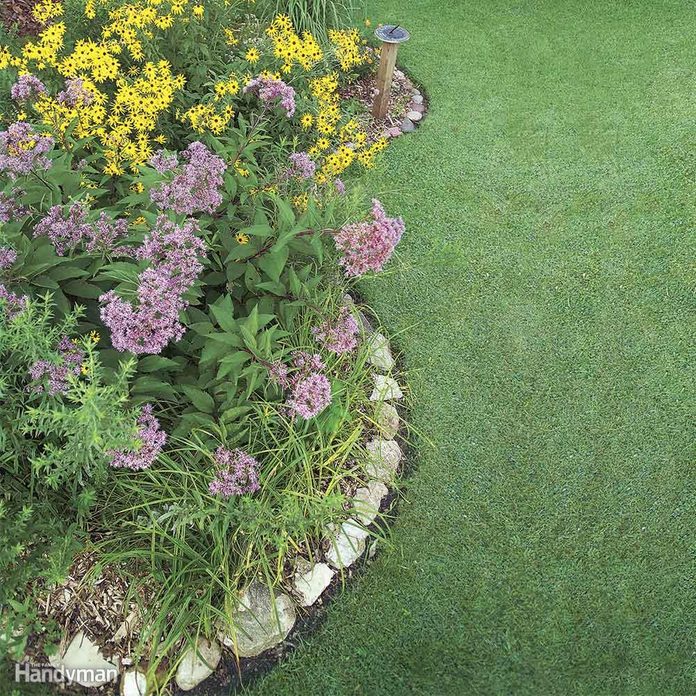
How To Build A Rain Garden In Your Yard Diy

Rain Gardens What Is The Purpose Of A Rain Garden
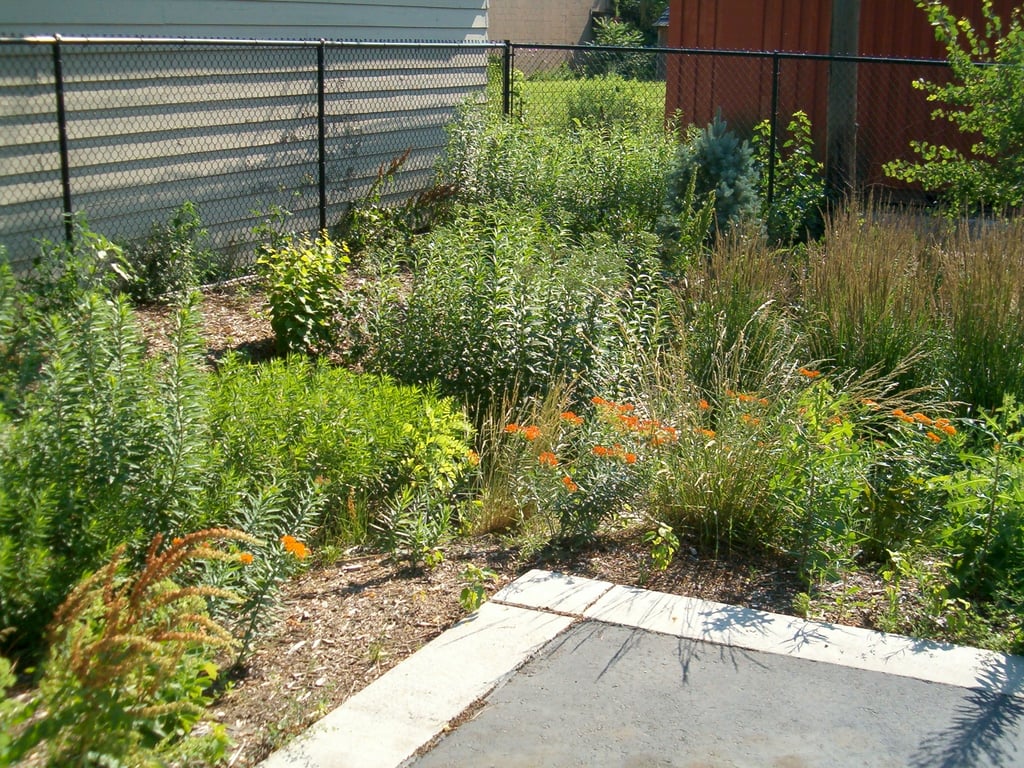
What Is A Rain Garden Exactly 3 Types Of Rain Gardens 2 Myths 6 Benefits

Xeric Plantings Are Used Around This Dry River Bed The River Bed Is A Functioning Swale For The Nearby Turf Landscape Design Rock Garden Landscaping Dry River

Make A Rain Garden In 5 Simple Steps Rain Garden Design Rain Garden Backyard Landscaping
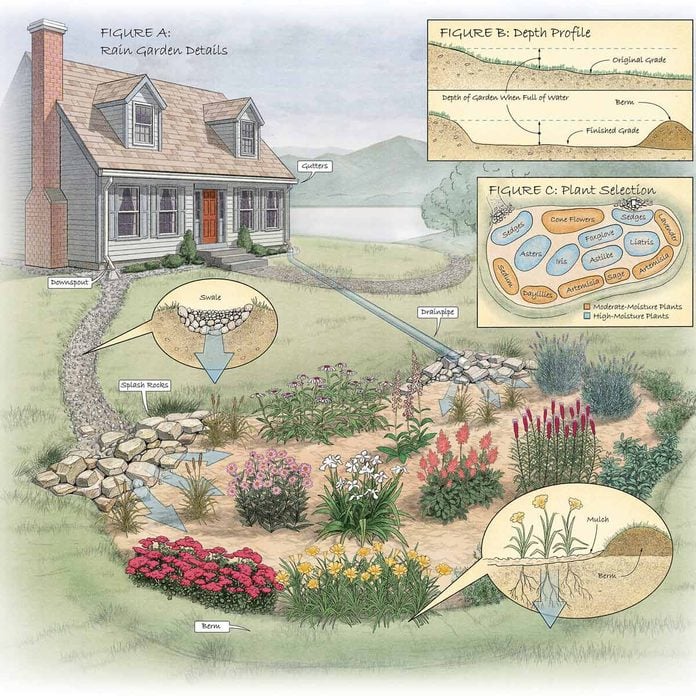
How To Build A Rain Garden In Your Yard Diy

Healthy Yards Diy A Beginners Guide To Building A Rain Garden Reep Green Solutions
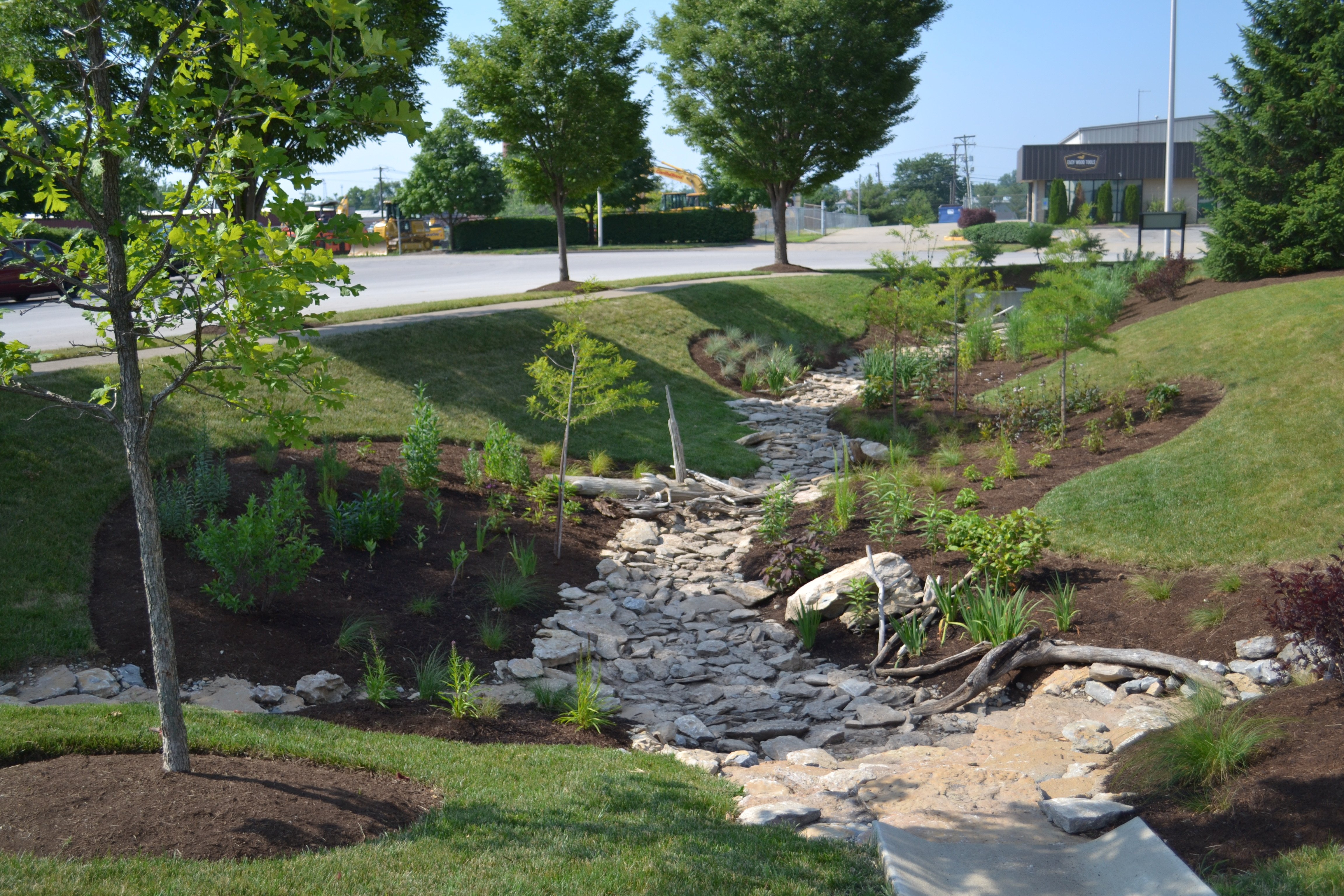
What Is A Rain Garden Exactly 3 Types Of Rain Gardens 2 Myths 6 Benefits

Every Rain Garden Needs A Little Tlc Ramsey Washington Metro Watershed District
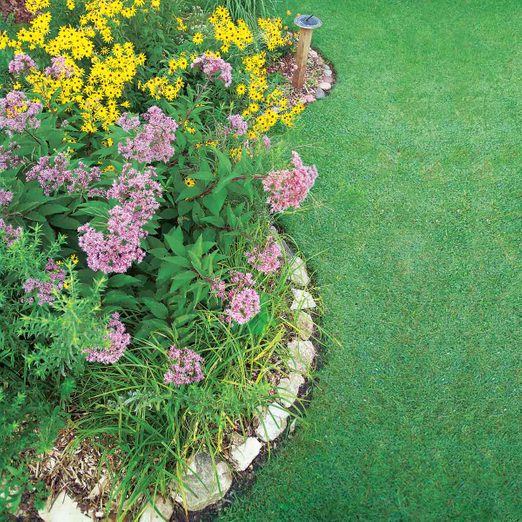
How To Build A Rain Garden In Your Yard Diy
What We Wish We Knew Lessons For Rain Garden Implementation Easyblog
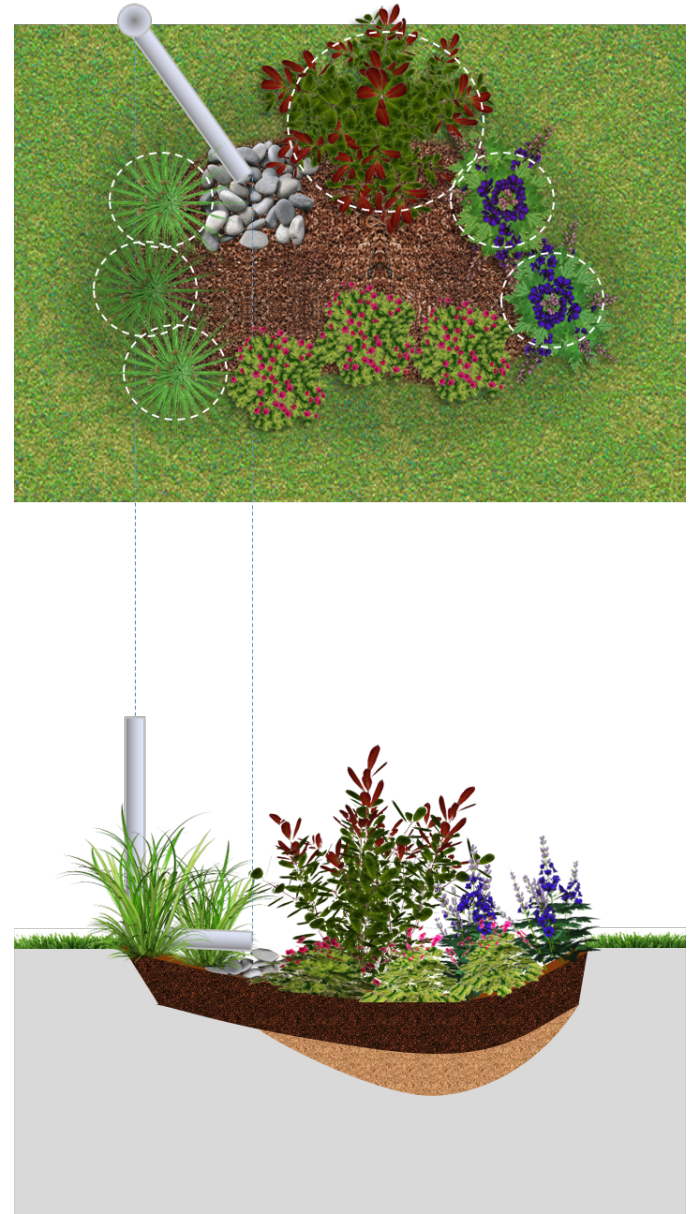
Rain Gardens Lid Swm Planning And Design Guide